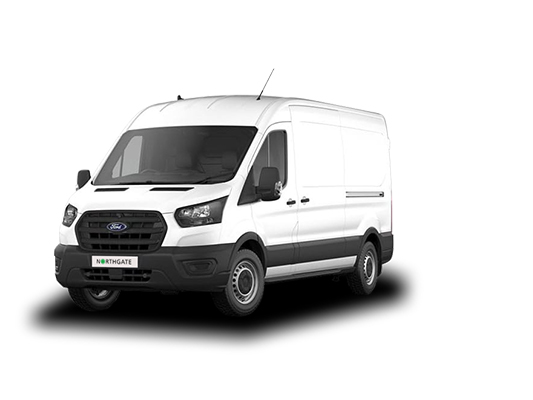

Vehicle Choice
Every size, every type, every need.




Business van hire options
Choose the vehicle and term, with flexibility to suit. Whatever works for you - works for us.
Flexible Hire
Flexibility with a short commitment
 Minimum 3-month commitment
- You can change your vehicle whenever you need
- Servicing, maintenance and breakdown cover come as standard
12Months+
For predictable business needs
- Rental terms between 12 and 48 months
- You specify extras that you need such as livery and racking
- Servicing, maintenance and breakdown cover come as standard

We buy, you rent
For replacing old vehicles with new
- We inspect your vehicles and pay you an agreed, fair market valuation
- You choose your replacement vehicle
- Select your preferred hire option Flexible Hire or 12months+ or a combination of both
HERE’S WHAT OUR CUSTOMERS HAD TO SAY

Procurement Manager
Maintenance and Construction Supplier
Head of Fleet Management
UK City Council
National Fleet & Operations Manager
Construction Equipment Dealer
Branch Finder
Enter postcode to find your nearest branch
Further reading and news from our blog
Get up to date with the latest industry news, advice and insight.
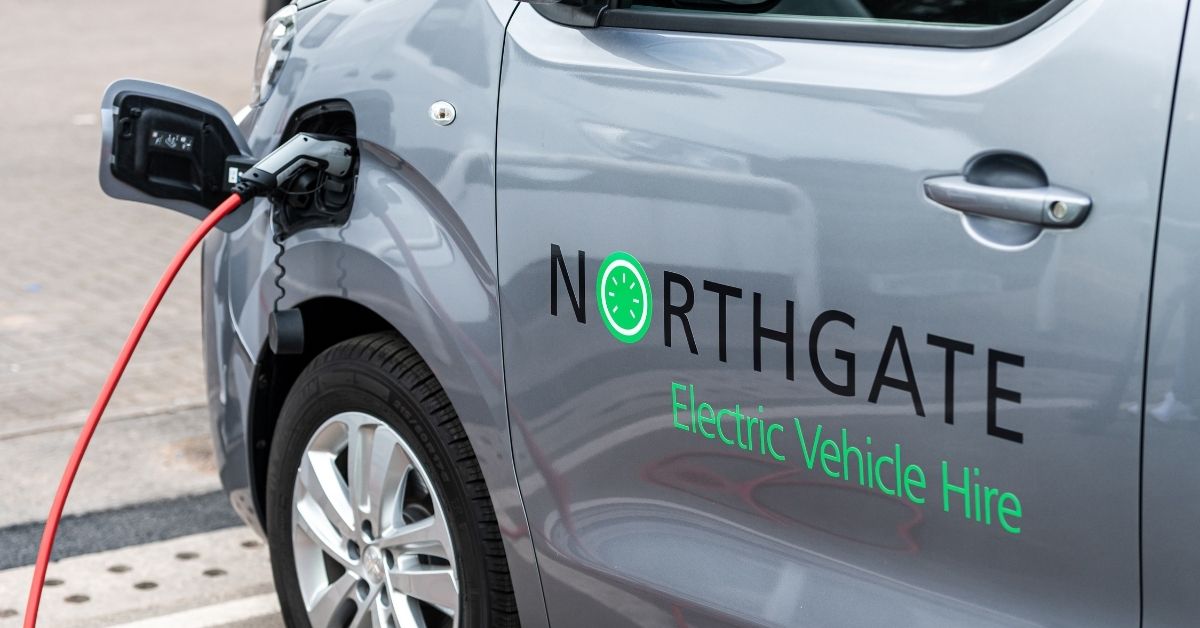
EV grants 2023: Everything you need to know
The governments plan to invest over £12bn in green initiatives and technology will ensure the UK are leaders in the space. Get up to date with everything you need to know about EV grants.

Everything about managing fleet disposals for your business
Fleet disposal is a popular phrase used by fleet managers and with good reason. It’s a crucial part of a vehicle’s lifecycle – but what is Fleet Disposal and why is it so important?
Business van hire, lease or buy - what's the difference?
Looking for the most cost-effective way of getting vans for your business? Use our quick-reference tables to identify the key differences between renting, buying and leasing.
Redde Northgate Businesses